Winter pet care in Romania: what actually matters
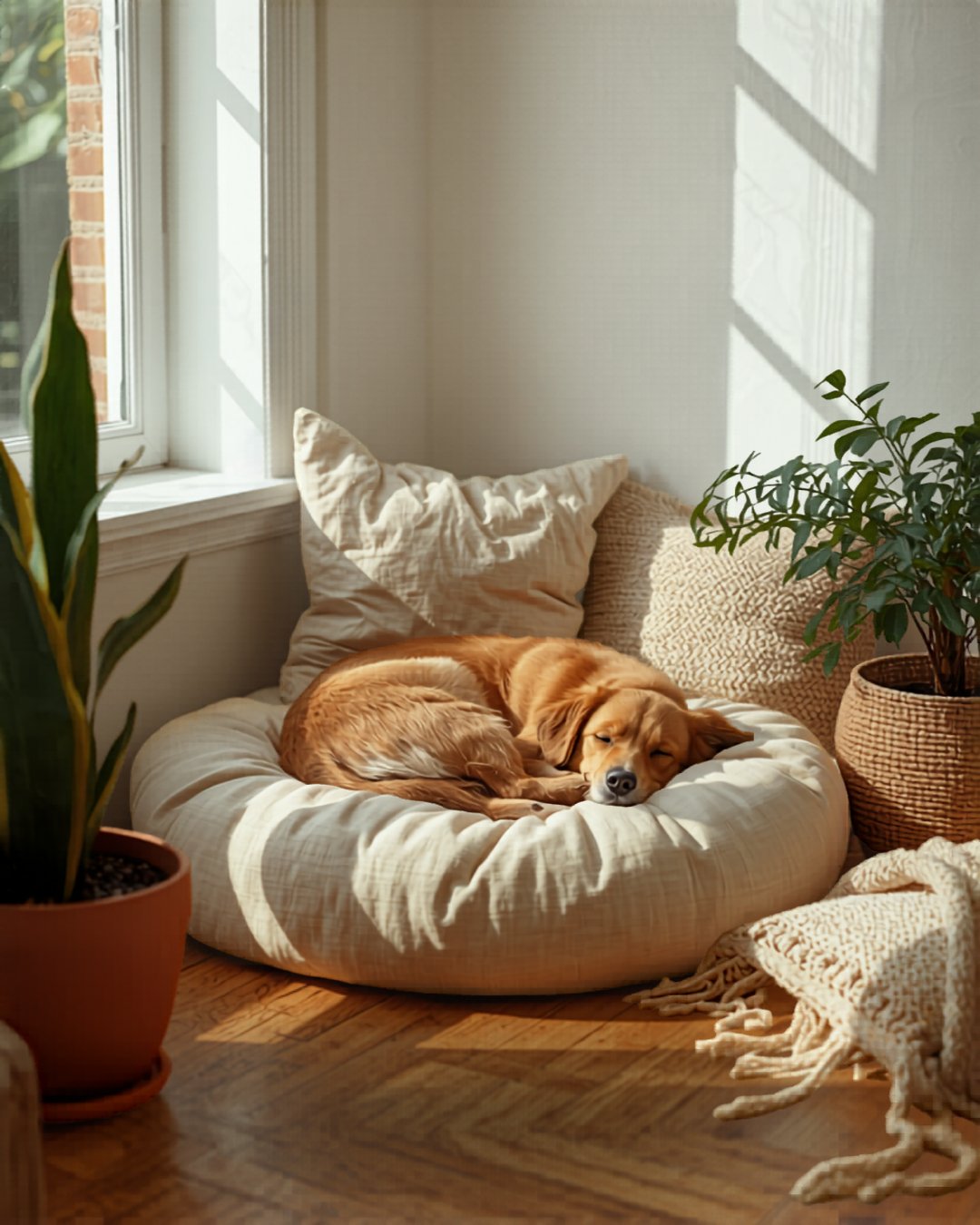
Romanian winters are not gentle. Between Bucharest's wet chill and the proper cold of the mountains and northern regions, your pets need a bit more care from November through March. Here's what actually matters — and what's overhyped.
1. Watch the temperature, not just the calendar
Different dogs handle cold differently. A Saint Bernard is fine in conditions that would have a small short-haired dog miserable. As a rough guide:
- Below 7°C: Small, short-haired, senior, or sick dogs need extra protection on walks.
- Below 0°C: All but the heaviest-coated breeds benefit from a coat or sweater.
- Below -10°C: Limit outdoor time to 10–15 minutes for most dogs. Watch paws.
Cats are generally smart about this and stop going outside when it's miserable. Outdoor cats need access to a sheltered, dry spot — a covered porch or a heated shelter.
2. Protect their paws
Salt and chemical de-icers (used heavily in Romanian cities) are rough on paws. They cause cracking, chemical burns, and irritation when licked off. Three approaches that work:
- Wipe paws with a damp cloth after every walk — takes 30 seconds, prevents most issues.
- Paw balm or wax before walks creates a protective layer.
- Dog boots for serious cold or chemically-treated areas. Most dogs hate them at first but adjust within a week of consistent use.
3. Adjust their food intake
Dogs and cats burn more calories staying warm in winter — but only if they're actually outside in the cold. An indoor pet's winter calorie needs are the same or slightly lower than summer (because they're moving less).
Common mistake: feeding extra "because it's winter" to an indoor pet who's also getting less exercise. That's a recipe for a few extra kilos by spring.
4. A warmer bed in the right spot
If your pet's bed is on a tile or wood floor against an exterior wall, they're sleeping on a cold surface in a cold spot. Two easy fixes:
- Move the bed to an interior wall, away from drafts.
- Use a bed with proper insulation — a thicker, plush bed retains body heat far better than a thin mat.
Senior pets feel cold more than younger ones. If your dog is over 8 (or 5 for large breeds), this is the season to upgrade their bed if you've been putting it off.
5. Don't skip exercise
Pets get "cabin fever" in winter too. Shorter walks more frequently work better than long walks in extreme cold. Indoor enrichment matters: puzzle toys, training sessions, hide-and-seek games. A bored pet is a destructive pet.
6. Watch for less obvious risks
Antifreeze. Sweet-tasting and lethal in tiny amounts. If you store or use ethylene glycol antifreeze, treat it like rat poison.
Wet, then cold. Wet fur in cold air is a fast track to hypothermia, especially for puppies and seniors. Dry your pet off thoroughly after wet walks.
Carbon monoxide. If you're using gas heaters indoors, keep good ventilation. Pets are smaller and more vulnerable than people.
Ice on rivers and ponds. Dogs don't understand that ice can crack. Keep them leashed near frozen water.
What you don't need
Most pets don't need heated beds, expensive winter gear, or seasonal supplements. Real essentials: a warm bed in a good spot, paw care after walks, and enough movement. The rest is marketing.
Need help?
Our Beds & Comfort collection has options for senior pets and cold-sensitive breeds. For paw care and grooming essentials, see our Grooming & Hygiene selection. Questions about your specific pet? We're based in Romania and happy to help.