Which GPS tracker is right for your dog? Comparing 4G trackers, wireless fences, and combo collars
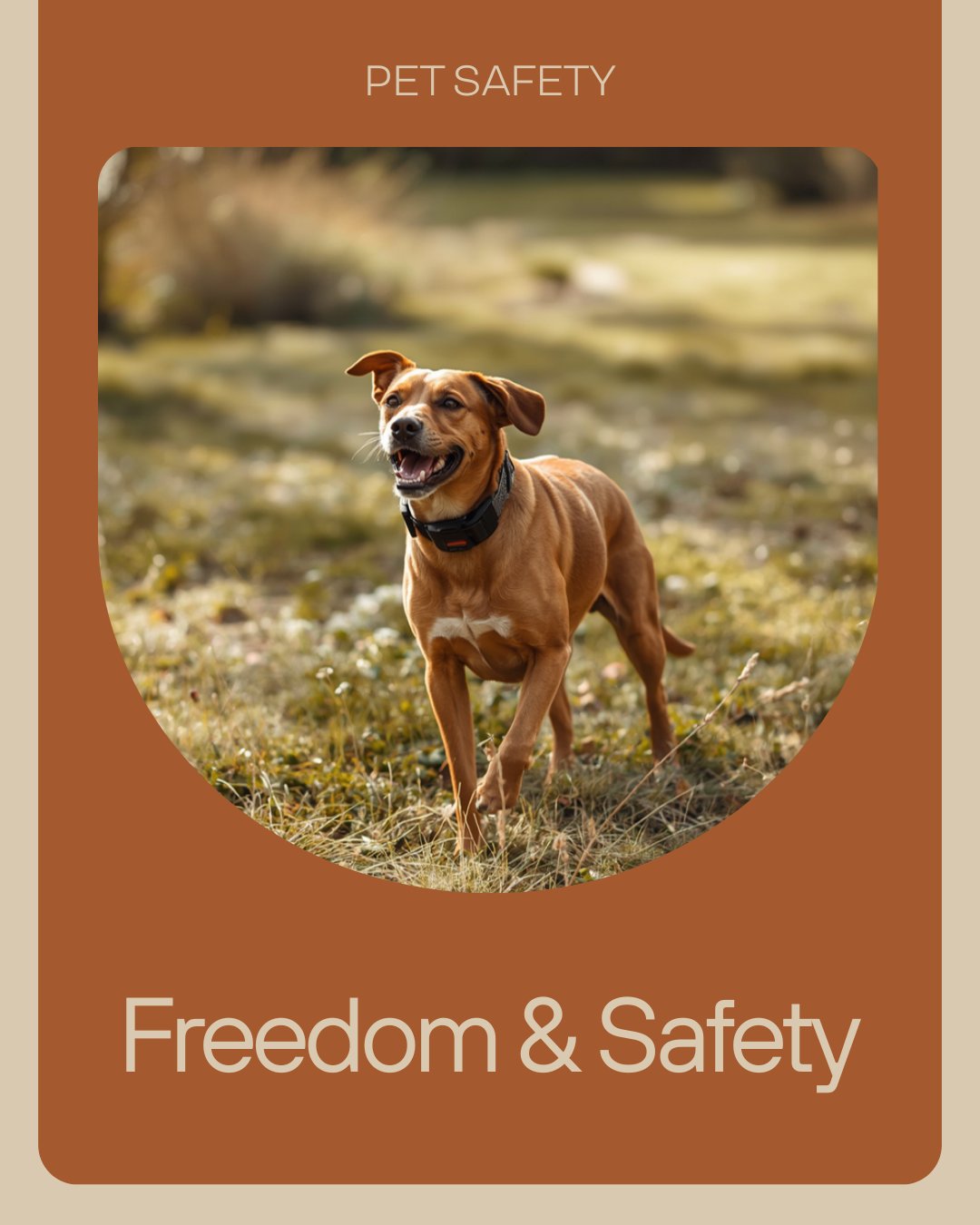
If you're looking at dog GPS trackers and feeling overwhelmed by the options, you're not alone. There are three different things being sold as "GPS for dogs," and they solve different problems. Here's how to figure out which one you actually need.
The three categories
1. Live GPS trackers tell you where your dog is, in real time, anywhere they go. They use cellular networks to send location data to your phone. Best for: dogs who escape, hunting dogs, dogs who roam off-leash.
2. Wireless containment systems (also called wireless fences) define a boundary around your home. When your dog approaches the edge, the collar warns them with a tone or vibration. Best for: keeping your dog in your yard or property without burying wires.
3. Combo collars add remote training functions (vibration, tone, sometimes correction) to a containment system. Best for: dogs who need both boundary reinforcement and active training.
How to choose
You want to know where your dog is, anywhere
You want a 4G GPS Pet Tracker with Geo-Fence & WiFi. It works anywhere there's cellular coverage — your dog could be in the next village and you'll still see them on a map. Geo-fence alerts notify you the moment they leave a defined area (your house, the park, a campsite). WiFi positioning improves indoor accuracy.
This is the right pick if your dog has ever escaped, if you walk off-leash, or if you want peace of mind on hikes and camping trips.
You want your dog to stay in your yard
You want a Wireless GPS Dog Fence Collar. You set a custom boundary using GPS coordinates — no buried wires, no fences to build. When your dog approaches the edge, the collar issues a warning. With consistent training, dogs learn the invisible boundary within 1–2 weeks.
This is the right pick if you have a yard or property you want your dog to stay in, but a physical fence isn't practical (rented home, large land, aesthetic reasons).
You want both — containment plus active training
You want the 2-in-1 Wireless Dog Fence & Remote Training Collar. It does everything the containment collar does, plus adds a handheld remote so you can use it for general training (recall, leave-it, etc.) in any situation.
This is the right pick for active dogs with serious training needs, working dogs, or dogs whose owners want one collar that handles multiple jobs.
Quick decision tree
- Dog escapes or wanders off-leash often → 4G GPS Tracker
- Dog stays home but you want to define a yard boundary → Wireless Fence Collar
- Dog needs boundary + training reinforcement → 2-in-1 Combo Collar
- Dog escapes and you want yard boundaries → 4G GPS Tracker + a wired or physical fence
Common mistakes
Buying a wireless fence for an escape artist. Wireless fences work for dogs who respect the warning. Determined escape artists will push through and then be on the wrong side, unable to come back. Pair with a real GPS tracker.
Buying a Bluetooth-only "tracker." These only work within ~30 meters of your phone. Useless if your dog is actually lost. Always look for cellular GPS.
Underestimating subscription costs. Live GPS trackers need cellular data. Factor in the monthly fee — over two years, the subscription often costs more than the device.
Still not sure?
If your situation is unusual — senior dog with cognitive issues that wanders, working farm dog, multiple-dog household — get in touch and we'll help you pick the right one. We'd rather have a 10-minute conversation than process a return.