How to bath your dog at home without the chaos
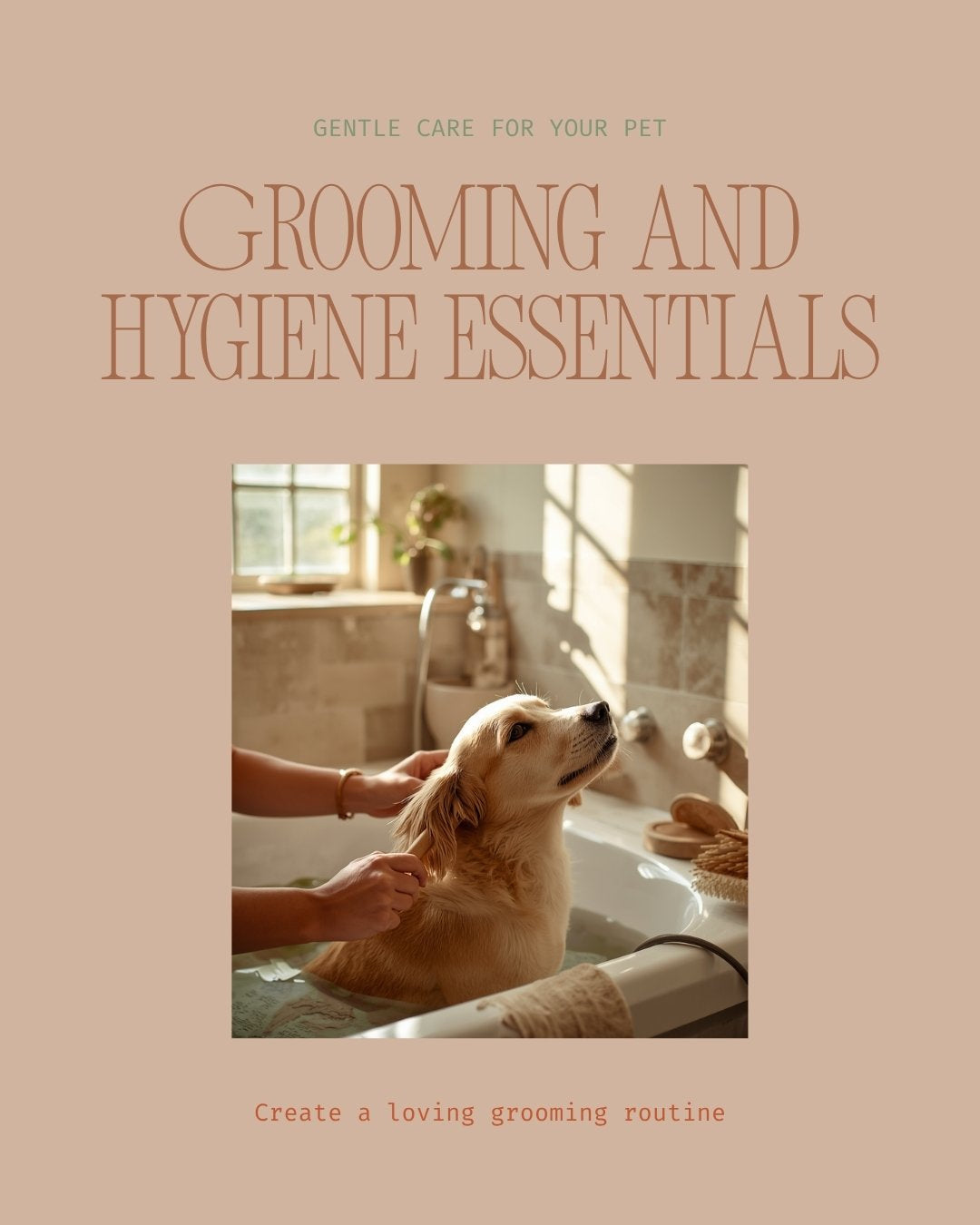
If you've ever tried to bath a dog who hates baths, you know how it goes. Wet dog flying out of the tub, water everywhere, you're soaked, the dog is traumatized, and now you have to do it all over again next month. There's a better way.
Here's how to make bath time actually manageable — for you and your dog.
Set up before you start
Every successful bath starts with preparation. Once your dog is wet, you don't want to be hunting for towels.
Gather:
- Two towels (one to dry, one as a non-slip floor mat)
- Dog shampoo (never human shampoo — the pH is wrong and will irritate their skin)
- A brush or grooming tool
- A washcloth for the face (never spray water directly at their face)
- Treats
- A jug or detachable showerhead
Put a non-slip towel or bath mat in the tub. Dogs feel insecure on slippery surfaces and panic. A stable footing alone reduces 80% of the resistance.
Brush first
Brushing before a bath removes loose hair and prevents the dreaded "wet hair mat" that's harder to deal with after. Five minutes of brushing saves twenty minutes of post-bath grooming.
This is also a good moment to check for fleas, ticks, hot spots, or anything else unusual. Easier to see on dry fur.
Water temperature
Lukewarm. Test it on the inside of your wrist like you would for a baby. Too cold and your dog will shake violently; too hot and you can burn their skin. Dogs are more temperature-sensitive than people.
Wet from the back, not the face
Start at the neck and work down the body and tail. Save the head for last. Use the washcloth for the face. Most dogs panic if you spray water at their face or pour it over their head.
Massage gently. A bath should feel like a spa, not an assault.
Lather and rinse
Work the shampoo from neck to tail. Avoid eyes, ears, and mouth. Leave it on for 1–2 minutes — most shampoos need contact time to work properly.
Rinse thoroughly. Leftover shampoo causes itchy skin, dandruff, and matting. When you think you've rinsed enough, rinse again. The water should run completely clear.
The drying problem
The moment you turn off the water, your dog will try to shake. Let them — it removes more water than any towel can. Then towel-dry firmly but gently, with the direction of fur growth.
For long-haired dogs, a hairdryer on the cool or low setting can help. Some dogs tolerate this, some don't. Don't force it.
Keep them inside until completely dry. A wet dog in cold weather is a recipe for hypothermia, especially for small breeds and puppies.
The 2-in-1 trick
The single biggest improvement most owners can make: get a grooming brush with a built-in shampoo dispenser. The Silicone Pet Grooming Brush with Shampoo in our store dispenses shampoo as you brush, which means:
- Less time wrestling with separate bottles and brushes
- The shampoo gets distributed evenly through the coat
- You can keep one hand on your dog the whole time
- Dogs tolerate it better because it feels like brushing, not soaking
It's not magic — you still need water and patience — but it cuts the chaos significantly.
How often?
Most dogs only need a bath every 4–6 weeks. Over-bathing strips natural oils and causes dry skin. The exceptions: dogs who roll in unpleasant things, dogs with skin conditions (follow your vet's advice), and dogs with severe allergies (medicated shampoos may be more frequent).
In between baths, regular brushing and an occasional damp-cloth wipe-down is usually enough.
When to give up and call a groomer
If your dog has a severely matted coat, a phobia of water that you can't slowly work through, or a medical issue, a professional groomer is worth the money. They have proper tools, table restraints, and patience. There's no shame in this.
More grooming essentials
Explore our full Grooming & Hygiene collection for brushes, shampoos, and tools that make daily care easier. Questions about your specific dog's coat or skin? Get in touch.