Crate training your puppy: a humane 2-week guide
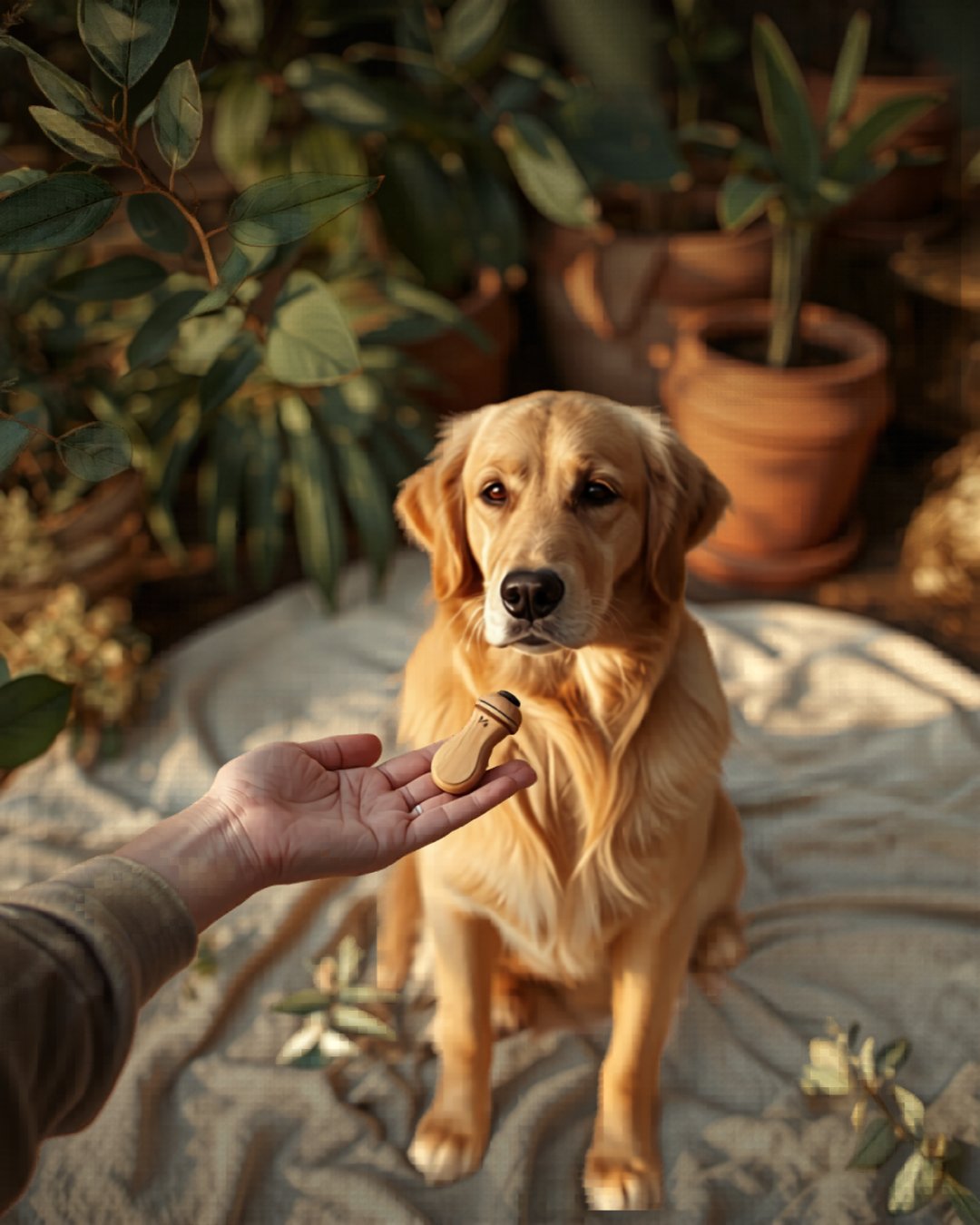
Crate training is one of the most useful things you can do for your puppy — and one of the most misunderstood. Done well, a crate becomes your puppy's safe space: somewhere they choose to retreat when they're tired or overwhelmed. Done badly, it becomes a place they fear.
Here's how to do it well, broken into two weeks.
Why crate train at all?
A few honest reasons:
- House training: dogs generally won't soil where they sleep, which makes the crate a powerful potty-training tool.
- Safety when you're not home: a young puppy left loose will chew electrical cables, swallow socks, or eat the wrong houseplant.
- Vet visits and travel: a crate-trained dog handles car rides and overnight vet stays without trauma.
- A real off-switch: many anxious or over-aroused dogs don't know how to settle. The crate teaches that.
Important: crate training is not about confinement. It's about teaching your puppy that the crate is a good place.
Setup matters
Get the right size: big enough for your puppy to stand up, turn around, and lie down comfortably. Too big and they'll potty in one corner and sleep in the other. Most crates have a divider you can move as the puppy grows.
Place the crate in a low-traffic but social area — living room corner, not the basement. Puppies are pack animals; isolation makes them panic.
Inside: a comfortable mat or blanket, one or two safe chew toys. No water bowl in the crate for puppies (spillage). No collars or harnesses (snag risk).
Week 1: Make the crate a good place
Days 1–2. Leave the door open all day. Toss treats inside randomly throughout the day. Let your puppy walk in, eat the treat, and walk out. Don't close the door yet.
Days 3–4. Feed meals in the crate, door open. They walk in voluntarily, eat, walk out. The crate becomes associated with food.
Days 5–7. Close the door for the duration of a meal. Open it as soon as they finish. Then build up to closing the door for 5 minutes after they've finished, with a chew toy. Gradually extend.
The whole first week is about building positive associations. Don't rush.
Week 2: Build duration
Days 8–10. Practice short stays — 10, 15, then 30 minutes — while you're in the same room. Then leave the room briefly and return. Calm and casual. No big greetings.
Days 11–14. Build up to 1–2 hour stays while you're home doing other things. Always with a chew toy or stuffed Kong. Then start practicing while you're out of the house for short errands.
By the end of week 2, most puppies tolerate 3–4 hour stays comfortably. Adult dogs can manage longer, but young puppies need a bathroom break every 2–3 hours.
What not to do
Never use the crate as punishment. If you crate your puppy when they're "bad," they'll associate it with negative emotions. The crate must always be neutral or positive.
Don't let them out when they whine. If you release a whining puppy, you've just trained them that whining works. Wait for a moment of quiet, then open the door.
Don't use it for too long. A puppy left in a crate for 8 hours will develop real problems. Maximum 4 hours for young puppies, 6–8 for adult dogs, and never overnight without a midnight bathroom break for puppies under 4 months.
If your puppy hates the crate
Some puppies start hating the crate because the introduction was rushed. Reset: go back to leaving the door open, just feeding meals near (not in) the crate. Build up from scratch over 1–2 weeks. Patience pays off.
The right gear
A good chew toy in the crate makes everything easier. The Natural Jute Dental Chew Toy is a safe, long-lasting option that keeps puppies occupied without splintering. Browse other options in our Training & Behavior collection.
Have a specific situation — anxious puppy, adopted older dog, multi-dog household? Get in touch and we'll help you figure out the right approach.