Choosing the right GPS tracker for your dog: a no-nonsense guide
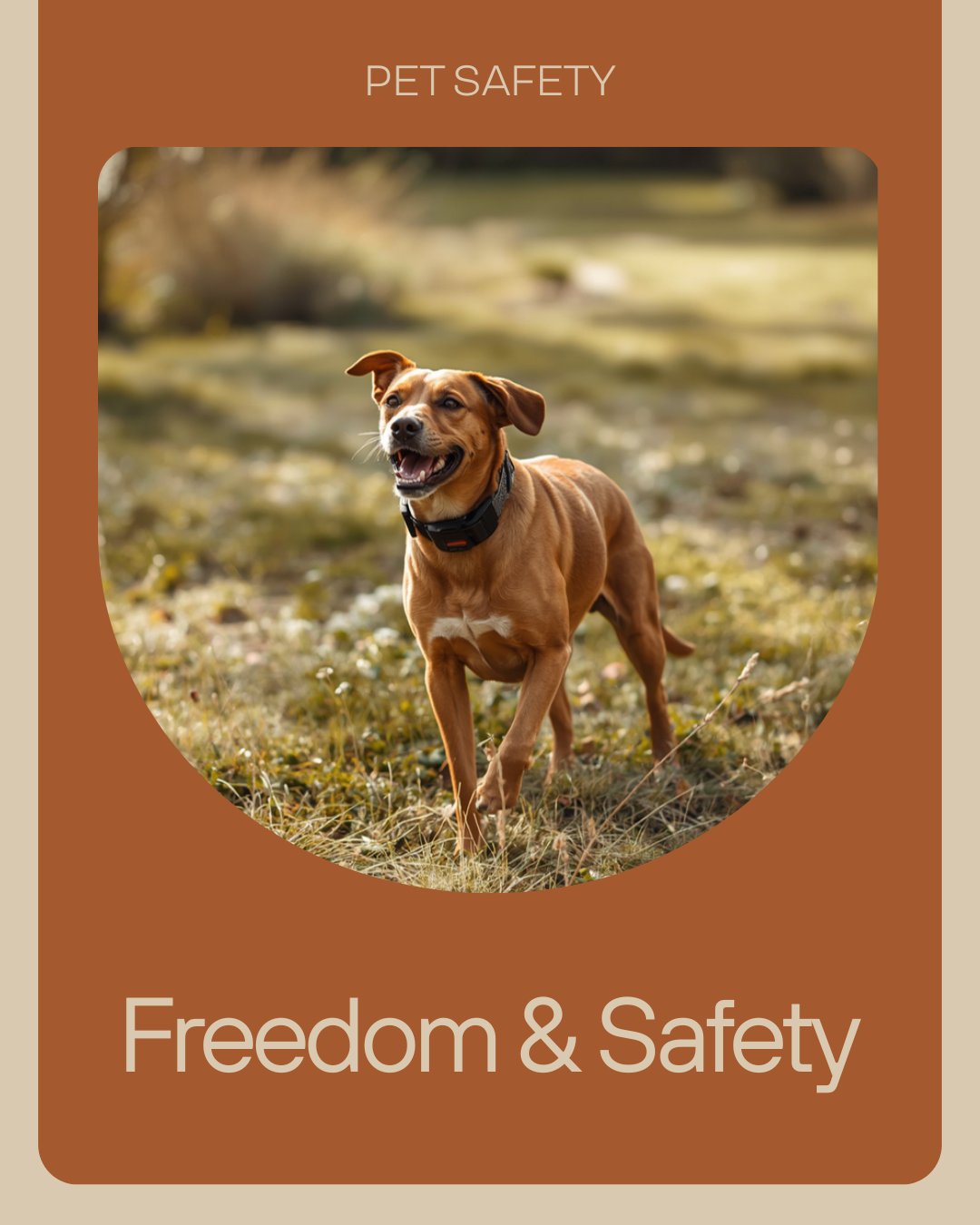
If you've ever watched your dog squeeze through a fence gap or tear off after a deer, you know why GPS trackers exist. But walk into any pet store — or open Amazon — and you'll see dozens of options, all promising to keep your dog safe. Most of them won't.
Here's what actually matters when you're picking one, based on what we've seen work for Romanian pet owners.
What a GPS tracker actually does
A real GPS dog tracker uses satellite positioning (the same system as your phone) to pinpoint your dog's location, then sends that data to an app on your phone via cellular networks. Bluetooth-only trackers (which are cheaper) only work when your dog is within ~30 meters of your phone — useless if they're actually lost.
Some trackers add WiFi positioning for indoor accuracy, and a few combine 4G cellular with geo-fencing alerts (so you get a notification the moment your dog crosses a virtual boundary).
What to look for
Battery life
Real-world battery life is almost always shorter than the manufacturer claims. A tracker that says "7 days" probably gives you 2–3 if you're checking the location often. Look for at least 5–7 days advertised — anything less and you'll be charging it constantly.
Weight
The tracker shouldn't be more than 5% of your dog's body weight. For a 10kg dog, that's 50 grams max. Anything heavier and your dog will be uncomfortable wearing it.
Subscription fees
This is where most buyers get burned. Many trackers require a monthly subscription (typically 30–50 RON/month) for the cellular data and app access. Factor this into the total cost — over two years, the subscription often costs more than the device itself.
Waterproof rating
Look for at least IP67. Dogs play in puddles, jump in lakes, run in rain. A non-waterproof tracker won't last six months.
Geo-fence alerts
This is the underrated feature. Instead of just showing where your dog is, geo-fencing alerts you the moment they leave a defined area — your yard, the park, a campsite. For escape artists, this is the difference between finding your dog in 5 minutes versus 5 hours.
Which type fits your dog?
Urban dog who occasionally escapes: A standard 4G GPS tracker with a small geo-fence around your home works fine.
Rural or farm dog with land to roam: You want a tracker with long battery life and a large adjustable geo-fence. Consider pairing with a wireless containment system for boundary training.
Hunting or working dog: Look for rugged, military-grade trackers with extended range. Most consumer trackers struggle in dense forest.
Senior or anxious dog: Lightweight is critical. Skip the bulky options.
What we stock
Our GPS & Containment collection has options for each scenario above — including a 4G tracker with WiFi positioning and geo-fence alerts for dogs who treat property lines as suggestions, and wireless containment collars that work with or without GPS tracking. Have questions about which fits your dog? Get in touch before buying — we'd rather help you choose the right one than process a return.